Sport components
Concepts requiring construction and visible weave to be considered together.
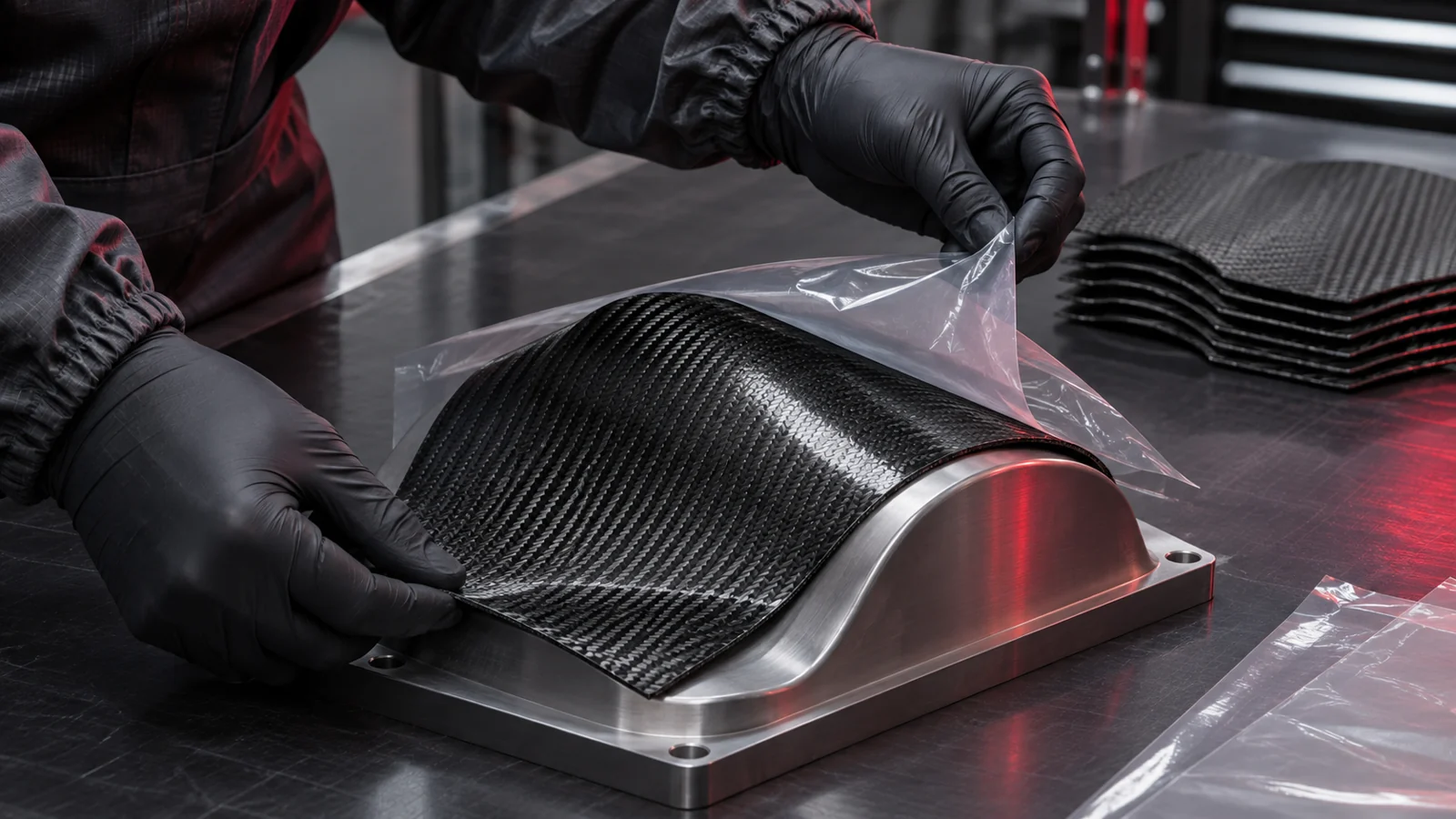
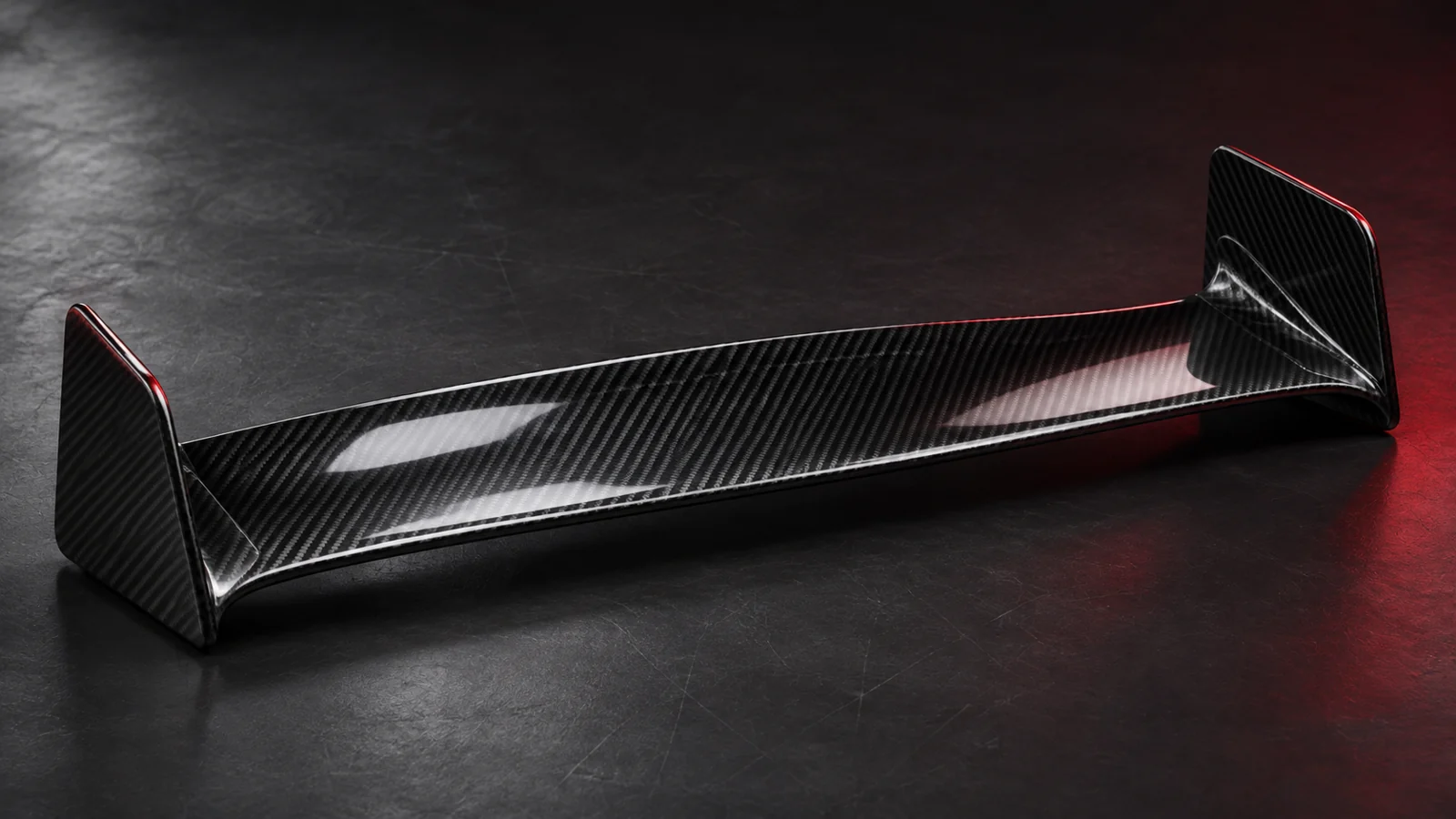
Prepreg reinforcement already contains resin. The focus moves to cut plies, sequence and a cure process suited to the material system and tooling.
Prepreg lamination is a modern process that uses composite fibers pre-impregnated with resin, allowing for high-quality products with excellent mechanical properties. Combined with vacuum curing, the process enables precise control of the conditions during curing.
Defined storage and working requirements.
Sequence, orientations and fit to the shape.
Cure according to the chosen system.
Applications
Concepts requiring construction and visible weave to be considered together.
Shapes benefiting from a defined lay-up sequence.
Surfaces presenting fibre structure and an agreed finish.
Components with explicit material and verification requirements.
Process
Geometry, application and the agreed scope define every stage. This is how a component enquiry becomes a manufacturing plan.
Agree function, geometry and expectations. Supply any required material specification before selecting the process.
Match the prepreg system and mould. Storage, working time and cure follow the material documentation.
Arrange cut material in a defined sequence. Pay attention to transitions, fibre directions and interfaces.
Vacuum preparation and cure depend on the system. Confirm equipment and parameters for the actual project.
After demoulding, perform agreed operations and checks. Acceptance criteria should be established before production.
Materials
Reinforcement, resin and finish work together. Begin with what the finished component needs to do.
Pre-impregnated reinforcement must be handled as specified by its supplier. Begin selection with the component requirements.
Match geometry and process conditions. Agree mould preparation before committing to material.
Weave, edges and interfaces need a common plan. Appearance does not replace technical verification.
Comparison
Start with the project rather than a ranking. Compare how material is handled and what needs agreement.
| Process | Reinforcement handling | Points to define |
|---|---|---|
| Hand lay-up ↗ | Wetted during lay-up | Geometry, finish and manual operations |
| Vacuum infusion ↗ | Resin introduced into a dry arrangement | Flow plan, seal and mould preparation |
| Prepreg ↗ | Pre-impregnated reinforcement | Material system, tooling and cure requirements |
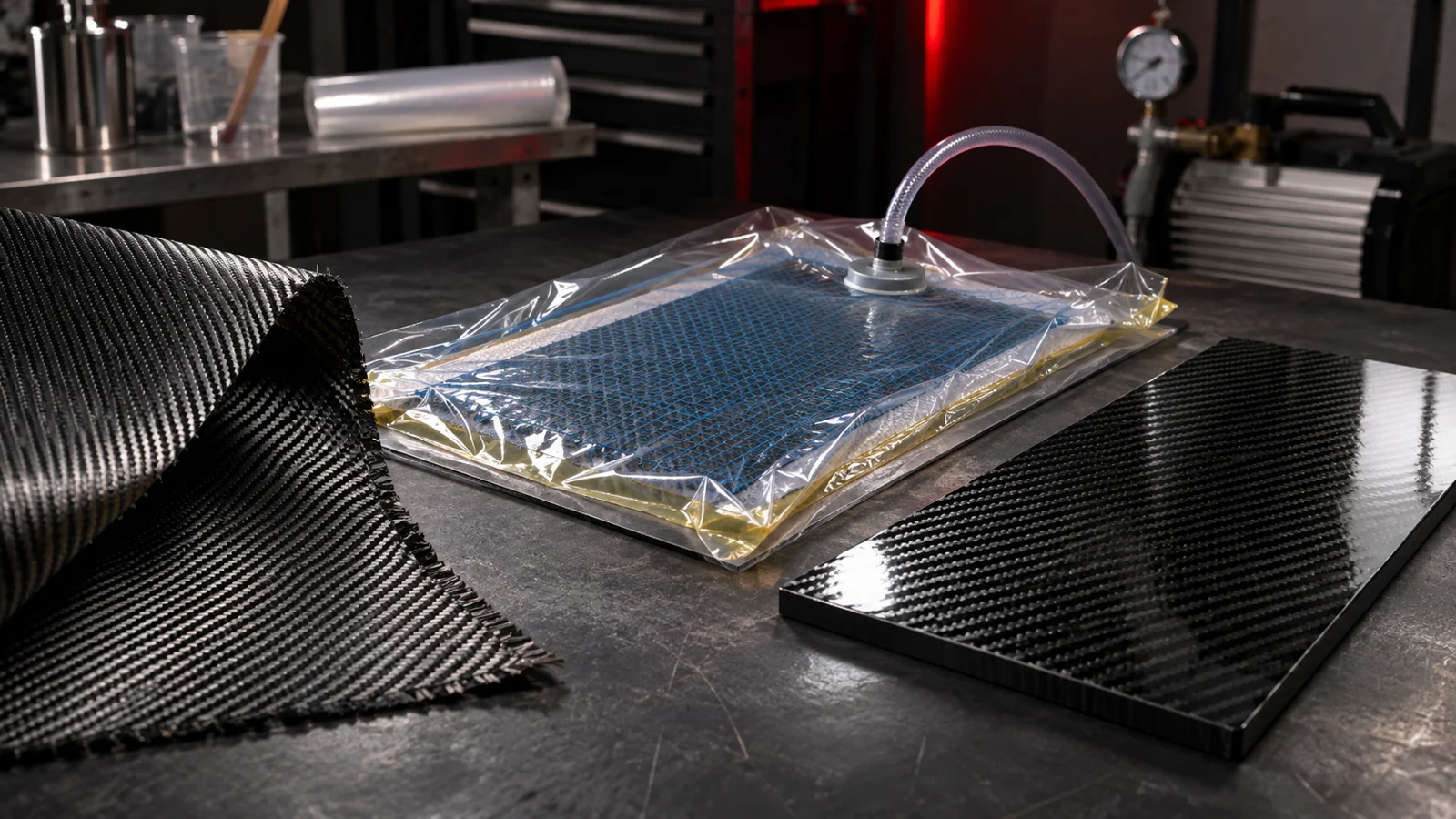
Three approaches to composite production, different process requirements and one shared aim: a component suited to its application. Here is what to compare before choosing.
Read article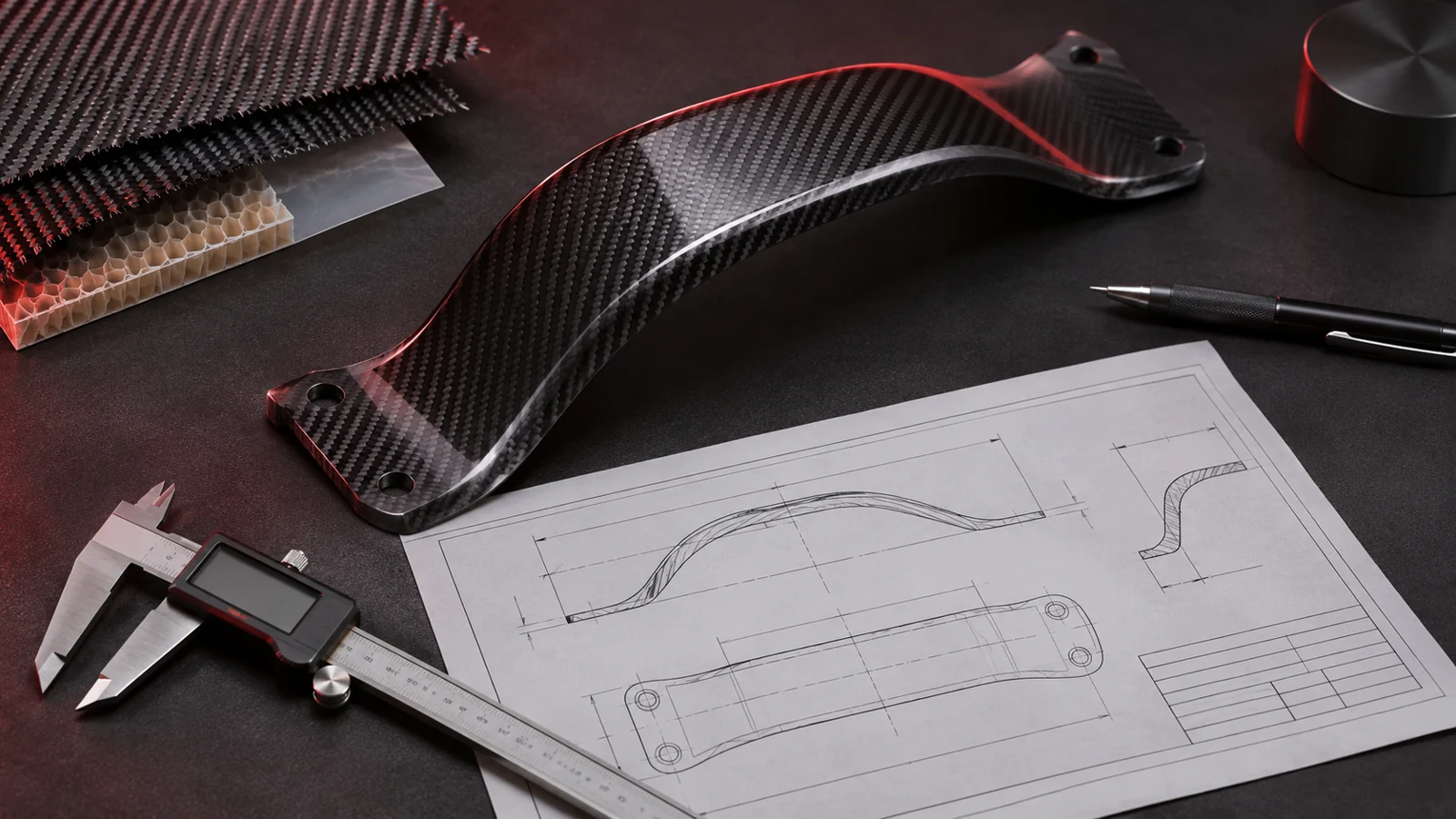
A useful quotation starts with a clear brief. Learn what to send, which requirements to define and what to clarify before ordering a carbon or glass fibre component.
Read articleFAQ
No. Different systems specify different processing arrangements.
A process name cannot establish that. Compare actual constructions and requirements.
A reference can begin the discussion. Geometry, requirements, documentation and tooling need review.
A model or dimensioned images, application, quantity, timing and requirements. State whether prepreg is mandatory or an option.
Contact
Send a model, drawing or dimensioned photographs. Add the application, quantity and preferred timing. We can clarify the remaining questions together.
Request a quote ↗