Start with the job the part must do
You do not need to decide the number of plies or select a resin before your first conversation. Start by explaining what the component does. A visual cover, a frequently removed housing and a part carrying loads raise different questions. Describe where it will be installed and what it will replace.
If there is an existing part, show it and explain its limitations. Is your priority appearance, weight, corrosion resistance, a complex shape or simply obtaining a replacement? Separating the problem from the proposed solution gives the manufacturer room to discuss a suitable approach. Clearly identify confirmed requirements and ideas that are still open.
Drawings, models and photographs
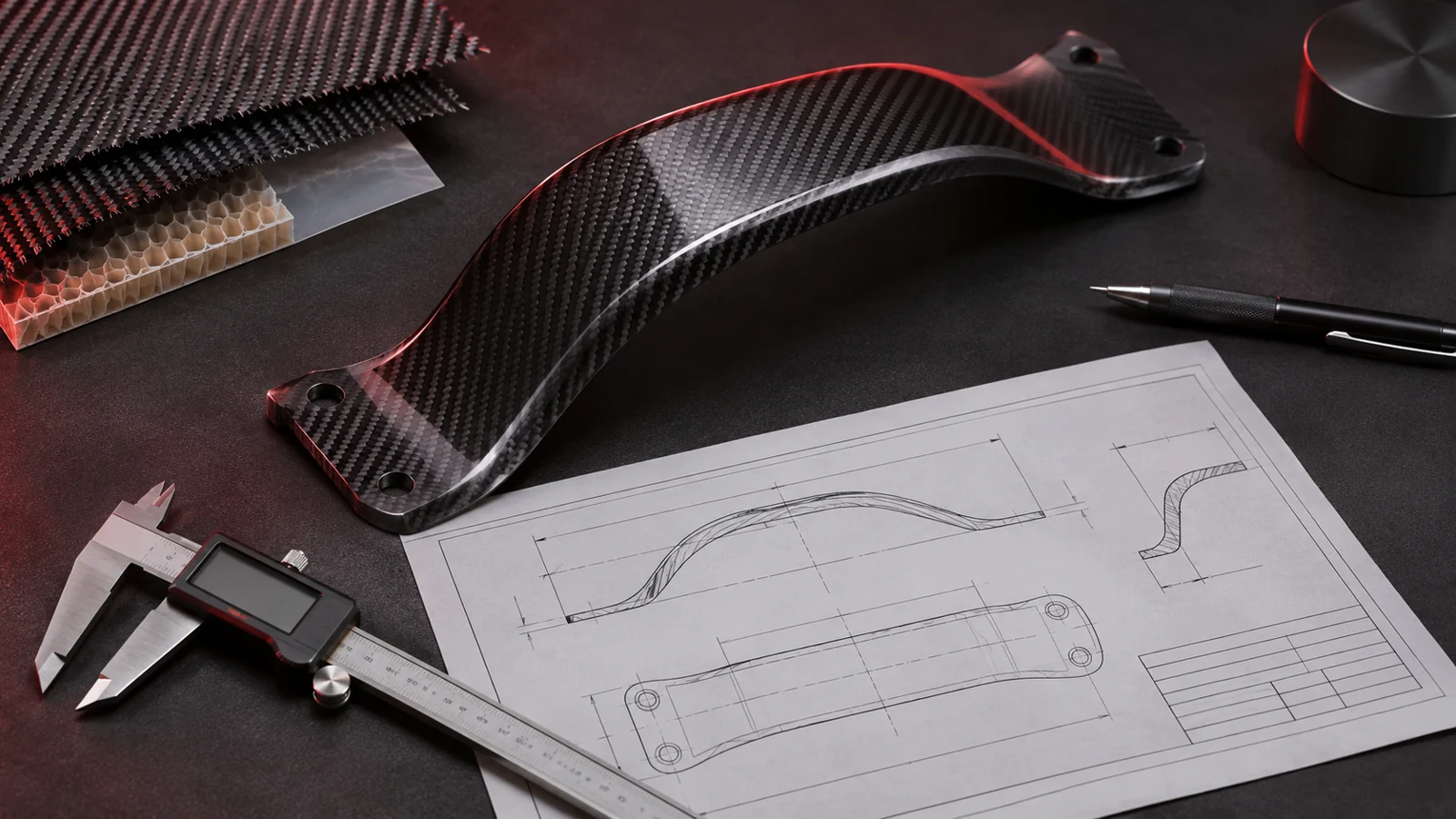
A 3D model is a useful starting point, but it does not communicate every requirement. Add a drawing showing important dimensions, interfaces, mounting points and surfaces that must match surrounding parts. Give each file a revision so everyone is discussing the same geometry.
Without CAD, send a dimensioned sketch and photographs from several angles. Explain whether an original component is available as a reference. Do not hide missing information: the need to refine geometry can be included in the scope from the outset.
- Current model or drawing and its revision.
- Photographs with key dimensions.
- Visible surfaces and mounting interfaces.
- Permission to use any supplied reference design.
Define the operating conditions
“Strong and light” is a useful ambition but an incomplete requirement. Explain whether the part sees bending, vibration, repeated handling or impacts. Where available, supply calculations, equipment specifications or a list of loads prepared by the designer.
Also describe the surrounding environment: temperature, water, chemicals and sunlight may matter. A short list of known conditions is more helpful than an unsupported claim that the material must withstand everything. For a component affecting the safety of an assembly, agree the design responsibility, verification and acceptance requirements before manufacturing begins.
Choose material through requirements
A visible carbon weave can be an aesthetic preference rather than a complete engineering specification. Carbon, glass and aramid reinforcement offer different possibilities; the finished laminate also depends on the matrix, fibre directions, geometry and process.
Tell the manufacturer whether carbon fibre is mandatory or merely your current idea. If appearance is central, provide a reference for weave direction and finish. If function is the priority, explain how the component will be used and assessed. This makes it possible to distinguish the decorative surface from the underlying construction without assuming that a material name determines the whole design.
Tooling, prototype and production quantity
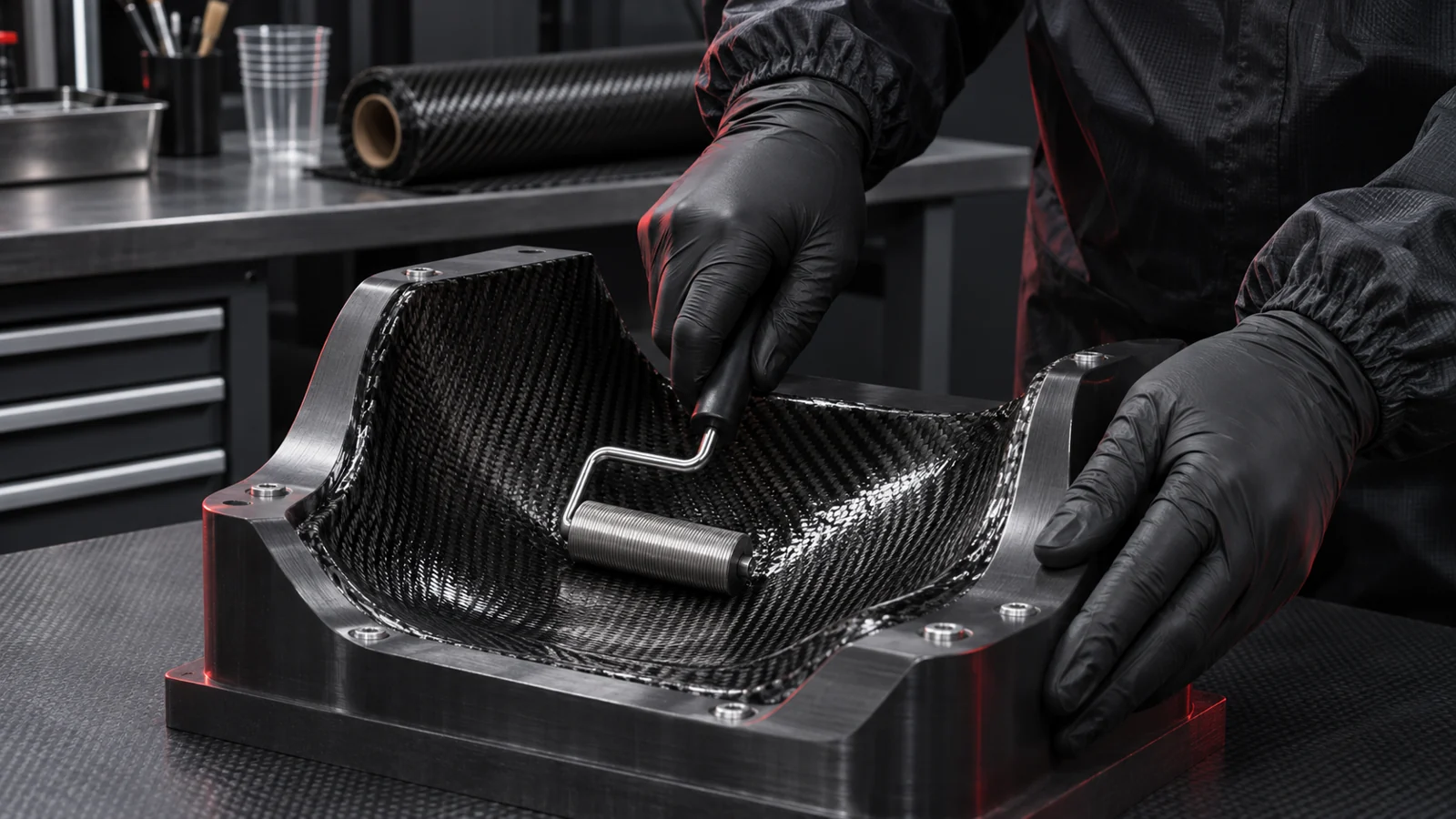
Clarify whether a usable mould already exists. A new shape can require separate tooling, and that work should have its own scope and approval stage. Ownership, storage and suitability for future batches are worth discussing before the first order.
State whether you need one part, a fitting prototype or a short run. If future quantities are uncertain, present alternative scenarios. Ask what a repeat order would involve and which modifications remain possible after the first sample. Comparing quotations becomes easier when tooling and preparation are treated consistently rather than hidden inside a single unit price.
Include finishing and assembly
A demoulded component may still require trimming, holes, surface finishing or preparation for installation. Include these tasks in your brief. Identify visible faces and explain whether you expect a technical surface, a satin finish, gloss or preparation for painting.
If you will provide fittings or mating parts, specify what they are and when they will be available. A reference photograph helps explain appearance, but a written description is still valuable. Ask which operations are included and which remain your responsibility. This avoids discovering late in the project that the word “finished” meant different things to each party.
Compare scope before comparing price
Check whether each quotation includes the same documentation, tooling, prototype, trimming, finishing and delivery. Identify assumptions that depend on inspecting a reference part or reviewing the final model. A clear list of inclusions is more useful than comparing totals alone.
Agree what the proposed date refers to: start of preparation, prototype review or delivery of accepted parts. Geometry changes after tooling can create additional work. Before proceeding, confirm one approved file revision, the person authorised to approve it and a simple way of communicating changes. These decisions make later conversations more precise.
Questions before the first order
Can I send only a photograph?
It can begin a discussion, but dimensions, intended use and access to a reference part will usually be needed to define the scope.
Must I choose the manufacturing process?
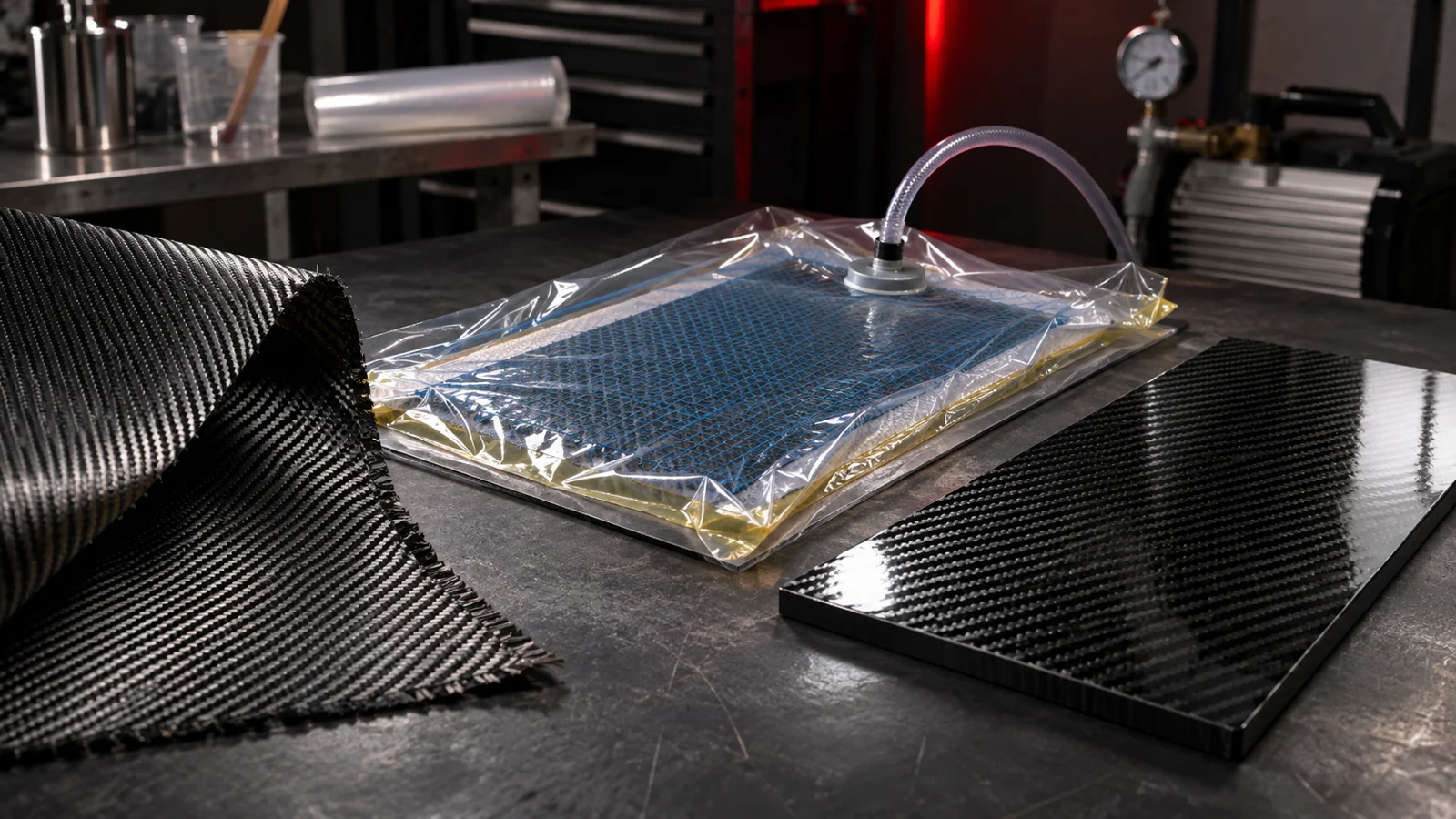
No. Explain the requirements first. Hand lay-up, infusion and prepreg can then be discussed in relation to the actual part.
Should I ask for a prototype?
Consider it when fit, appearance or assembly needs checking. Define what the prototype will demonstrate and how it will be reviewed.
What if my design is confidential?
Agree how documentation will be shared and protected before supplying sensitive files.
Your enquiry checklist
- Explain the function and application.
- Attach current drawings, photographs or a reference model.
- Identify critical dimensions, interfaces and operating conditions.
- State quantity, possible repeat orders and timing.
- Describe visible surfaces and finishing.
- List questions that need joint clarification.
A perfect specification is not necessary for the first conversation. What matters is making the difference between facts and assumptions clear. A well prepared enquiry gives both sides a practical basis for discussing feasibility, process and the scope of the work.